FESTIVALS
Lakshmi Pooja
Lakshmi Pooja
Diwali (also spelled Devali in certain regions) or Deepavali popularly known as the "festival of lights," is a festival celebrated between mid-October and mid-December for different reason. For Hindus, Diwali is one of the most important festivals of the year and is celebrated in families by performing traditional activities together in their homes. For Jains, Diwali marks the attainment of moksha or nirvana by Mahavira in 527 BCE.
Diwali is an official holiday in India Nepal, Sri Lanka, Myanmar, Mauritius, Guyana, Trinidad & Tobago, Suriname, Malaysia, Singapore and Fiji. The name "Diwali" is a contraction of "Deepavali" which translates into "row of lamps".
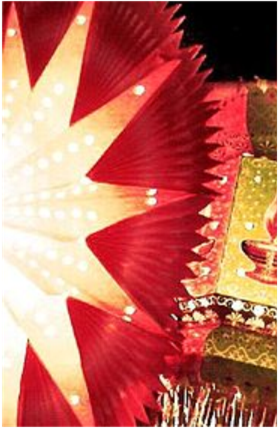
Diwali involves the lighting of small clay lamps (diyas or dīpa) filled with oil to signify the triumph of good over evil. These lamps are kept on during the night and one's house is cleaned, both done in order to make the goddess Lakshmi feel welcome. Firecrackers are burst in order to drive away evil spirits. During Diwali, all the celebrants wear new clothes and share sweets and snacks with family members and friends.
The festival starts with Dhanteras on which most Indian business communities begin their financial year. The second day of the festival, Naraka Chaturdasi, marks the vanquishing of the demon Naraka by Lord Krishna and his wife Satyabhama. Amavasya, the third day of Diwali, marks the worship of Lakshmi, the goddess of wealth in her most benevolent mood, fulfilling the wishes of her devotees. Amavasya also tells the story of Lord Vishnu, who in his dwarf incarnation vanquished the Bali, and banished him to Patala. It is on the fourth day of Diwali, Kartika Shudda Padyami, that Bali went to patala and took the reins of his new kingdom in there. The fifth day is referred to as Yama Dvitiya (also called Bhai Dooj), and on this day sisters invite their brothers to their homes.
It begins in late Ashvin (between September and October) and ends in early Kartika (between October and November). The days in Ashvin are in the Krishna Paksha ("dark fortnight") of that month, while the days in Kartik are in its Shukla Paksha ("bright fortnight"). The first day is Dhan Teras. The last day is Yama Dvitiya, which signifies the second day of the light half of Kartika. Each day of Diwali marks one celebration of the six principal stories associated with the festival.
Diwali marks the end of the harvest season in most of India. Farmers give thanks for the bounty of the year gone by, and pray for a good harvest for the year to come. Traditionally this marked the closing of accounts for businesses dependent on the agrarian cycle, and is the last major celebration before winter. Lakshmi symbolizes wealth and prosperity, and her blessings are invoked for a good year ahead.